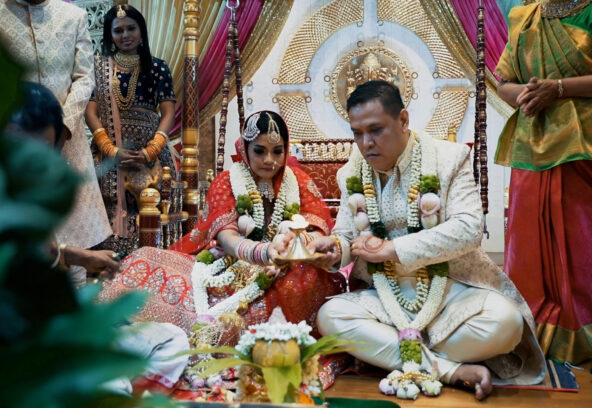
Film vs Digital Wedding Photography: A Timeless Debate

In the ever-evolving world of wedding photography, the debate between film and digital formats is as alive as ever. Both mediums offer unique qualities and challenges, making the choice between them crucial for capturing the essence of one’s special day.
In this article, we’ll take a closer look at the differences between digital and film wedding photography in Singapore to help you decide which is right for you.
The Charm of Film Photography
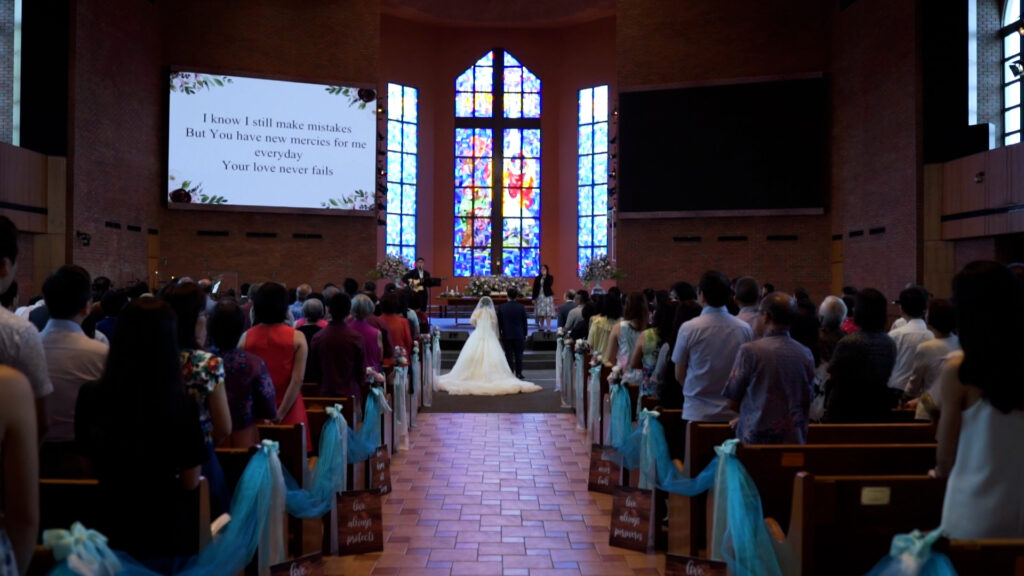
Film photography, known for its rich history and classic feel, brings a level of depth and warmth to images that many argue digital cameras cannot replicate. Let’s explore why some photographers and couples are drawn to this traditional medium.
Timeless Aesthetic
The film captures light and colors in a way that adds a unique texture to photos, often described as more “organic.” This results in images that have a timeless, romantic quality, perfect for capturing the emotional depth of a wedding day.
Artistic Discipline
Shooting on film requires a high level of skill and discipline from the photographer. Each shot costs money and cannot be instantly reviewed, which encourages careful composition and exposure settings. This often leads to a more thoughtful selection of moments to capture, potentially increasing the quality of each photo.
Surprises in Development
The film development process can yield surprises and nuances in the final product that digital processes might not achieve. The anticipation and excitement of seeing the developed photos add an extra layer of magic to the wedding experience.
The Versatility of Digital Photography

Digital photography has revolutionized the way we capture memories, offering unparalleled convenience and flexibility. Here’s why many opt for digital cameras to document their nuptials.
Instant Gratification
One of the most significant advantages of digital photography is the ability to immediately review images. This allows photographers to make on-the-spot adjustments to ensure they capture the perfect shot, reducing the chances of missed moments.
High Volume and Variability
Digital cameras allow for shooting an extensive number of photos without worrying about the cost of film and development. This means photographers can capture every moment, from the grand events to the subtle, fleeting interactions, ensuring no detail is overlooked.
Post-Processing Flexibility
Digital files can be extensively edited and adjusted after the event, allowing photographers to correct imperfections, adjust colors, and even change the style of the photos to better match the couple’s preferences. This level of control is something film simply cannot offer.
Cost-Effectiveness
Generally, digital photography can be more cost-effective than film. Without the need for film rolls and development costs, couples can allocate their budget to other aspects of their wedding or invest in a higher quality photographer.
Conclusion: Weighing Your Options
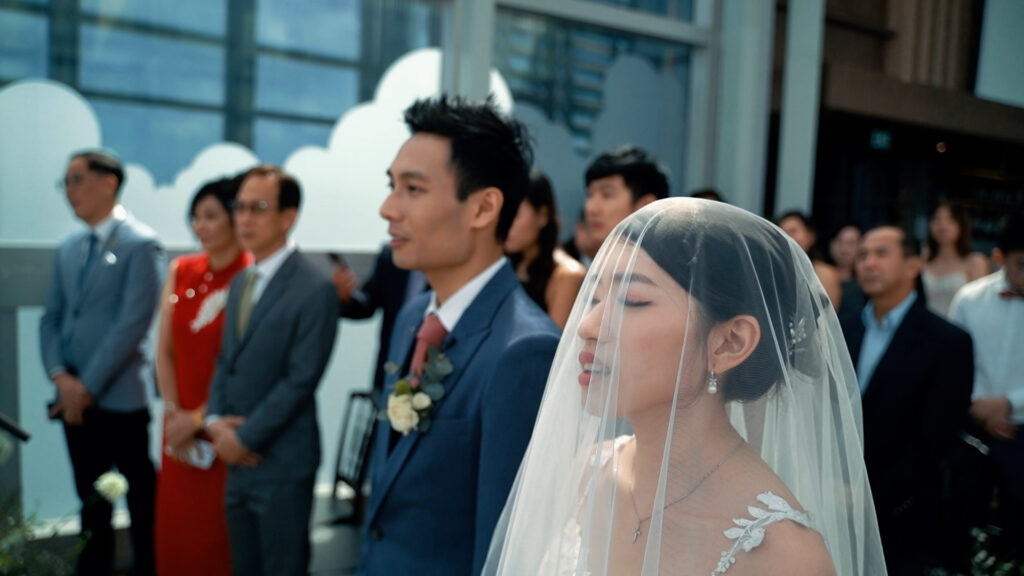
When choosing between film and digital wedding photography, it’s essential to consider the pros and cons of each medium. Ultimately, the choice between film and digital wedding photography depends on personal preferences, budget considerations, and the specific aesthetics desired for your wedding photos.
Whether you’re drawn to the timeless charm of film or the versatility of digital, selecting the right photographer who aligns with your vision is key to capturing the essence of your special day.